
Oils
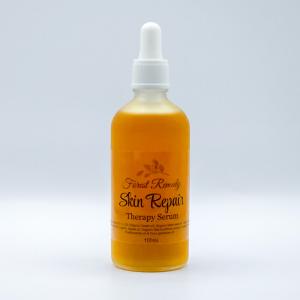
Skin Repair Therapy Serum
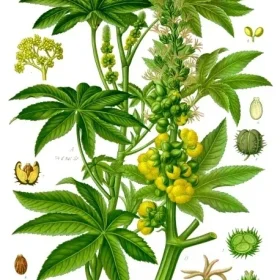
Castor, emu, avocado, hemp, sea buckthorn and evening primrose oils with…
From $20
Christmas: order by Mon 14 Dec for delivery in time
Christmas: order by Mon 14 Dec for delivery in time
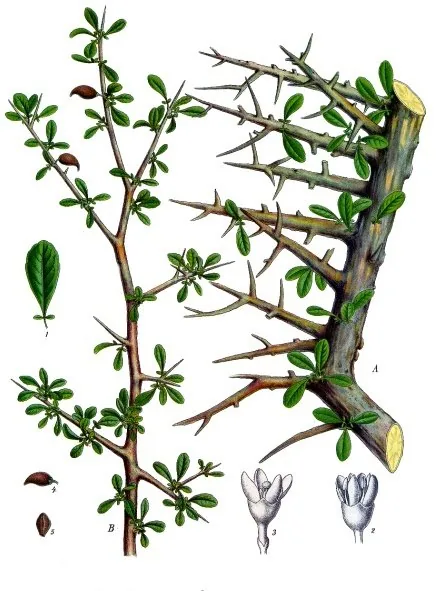
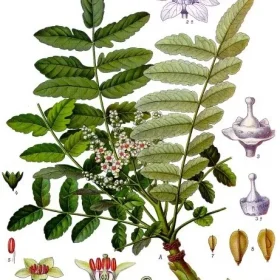
Commiphora myrrha
An ancient resin, warm and bitter-sweet, beside the frankincense.
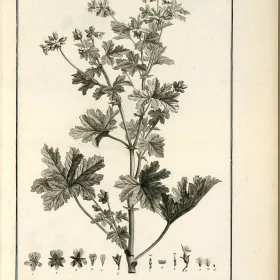
Myrrh is the second of the two ancient resins in Leni's richest serum, sitting alongside frankincense and geranium. Where frankincense is bright, myrrh is deep, warm and a little bitter, and the name comes from the Arabic and Hebrew word for 'bitter'. It was one of the most valuable things in the ancient world, carried by caravan from Arabia to Egypt and Rome, and it was used in Egyptian embalming and in temple incense. It is one of the three gifts of the Magi.
Burned as incense and used in perfumes and cosmetics across the ancient world; in Chinese medicine it is known as Mo Yao.
In 1 product
Showing the single result
Oils
Castor, emu, avocado, hemp, sea buckthorn and evening primrose oils with…
From $20