Creams
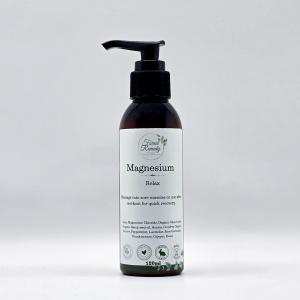
Magnesium Relax Cream
Magnesium chloride with yarrow and peppermint. Rich, easily absorbed, and made…
From $20
Christmas: order by Mon 14 Dec for delivery in time
Christmas: order by Mon 14 Dec for delivery in time
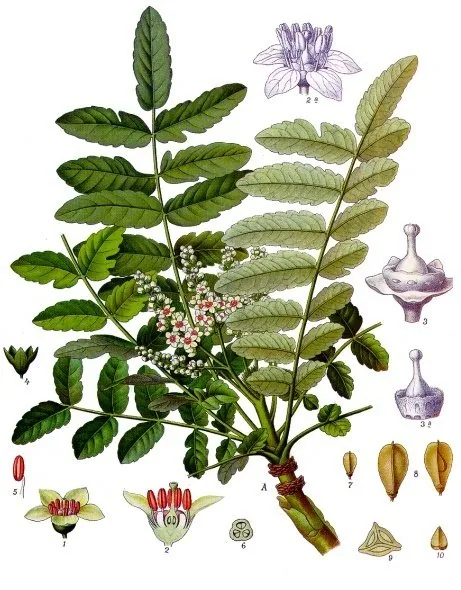
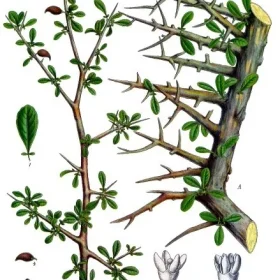
Boswellia carterii
Traditionally used on ageing and weathered skin.
Frankincense is one of the two ancient resins in Leni's richest serum, and it rounds out the calendula balm, the calendula cream and the magnesium relax cream. The scent is warm and woody with a bright, lemony edge, and it settles a blend rather than lifting it. The resin weeps from cuts in the bark as milky tears that harden in the sun. It was once worth as much as gold, carried by camel along the incense roads of Arabia, and it is still burned in churches and temples today.
Burned as incense across the ancient world and used in Egyptian cosmetics; in Chinese medicine it is known as Ru Xiang.
In 4 products
Showing all 4 resultsSorted by popularity
Creams
Magnesium chloride with yarrow and peppermint. Rich, easily absorbed, and made…
From $20
Creams
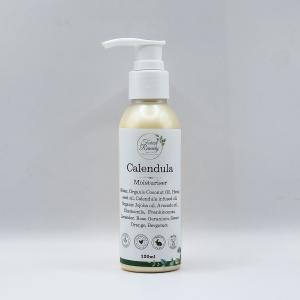
Infused calendula with lavender, geranium and frankincense. Rich but never greasy…
$40
Balms
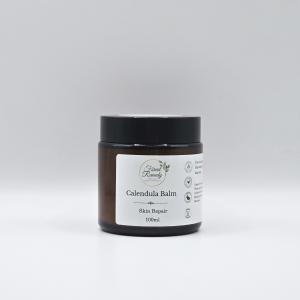
Coconut oil, shea butter, hemp and beeswax with slow-infused calendula. A…
From $15
Oils
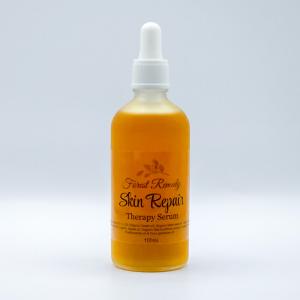
Castor, emu, avocado, hemp, sea buckthorn and evening primrose oils with…
From $20