
Creams
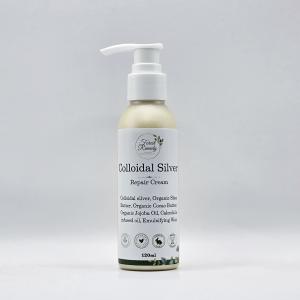
Colloidal Silver Repair Cream
Pure colloidal silver in a base of shea butter, cocoa butter,…
$40
Christmas: order by Mon 14 Dec for delivery in time
Christmas: order by Mon 14 Dec for delivery in time


Calendula officinalis
Slow-infused in oil for six weeks, and long used on dry, upset skin.
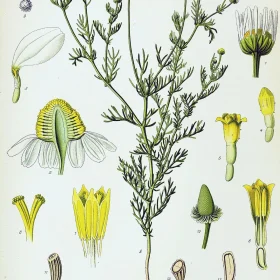
Calendula is the heart of the range. The flowers are picked, dried slowly and steeped in oil for six weeks, until the oil turns a deep gold. That golden oil goes into the calendula balm and cream, both tallow balms, the witch hazel cream and the colloidal silver cream. Rub a fresh flower head between your fingers and it is sticky and faintly resinous. Its old name, pot marigold, comes from the cooking pot: the petals once went into soups and stews to colour them.
Long used in European kitchen gardens for colouring food and cheese, and infused into oils and ointments for dry, rough skin.
Flowers picked, dried slowly, then steeped in oil for six weeks until the oil turns deep gold
In 6 products
Showing all 6 resultsSorted by popularity
Creams
Pure colloidal silver in a base of shea butter, cocoa butter,…
$40
Balms
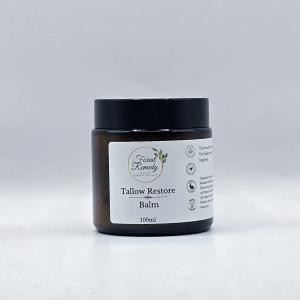
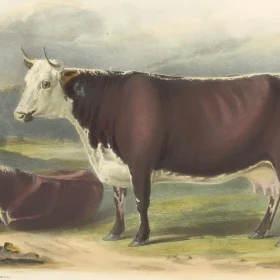
Grass-fed tallow, manuka honey, emu oil, calendula and beeswax. Rich, deeply…
From $15
Creams
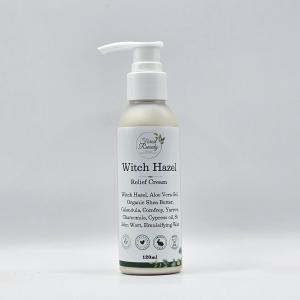
Witch hazel with calendula, chamomile, yarrow, aloe vera and comfrey. Light…
$40
Creams
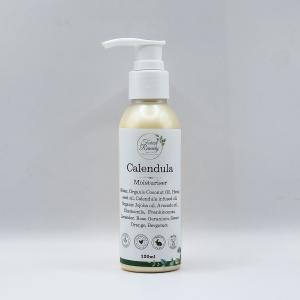
Infused calendula with lavender, geranium and frankincense. Rich but never greasy…
$40
Balms
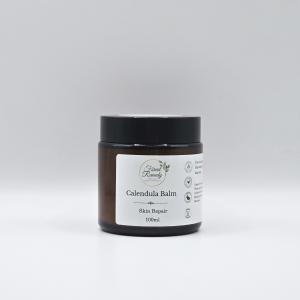
Coconut oil, shea butter, hemp and beeswax with slow-infused calendula. A…
From $15
Balms
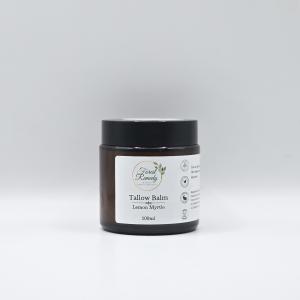
Grass-fed tallow, manuka honey, emu oil, calendula, beeswax and lemon myrtle.…
From $15