Balms
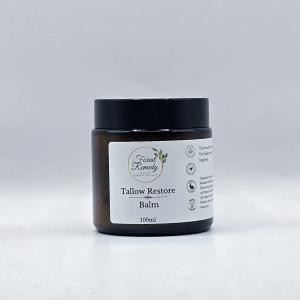
Tallow Restore Balm
Grass-fed tallow, manuka honey, emu oil, calendula and beeswax. Rich, deeply…
From $15
Christmas: order by Mon 14 Dec for delivery in time
Christmas: order by Mon 14 Dec for delivery in time
Holds it together and keeps it in place.
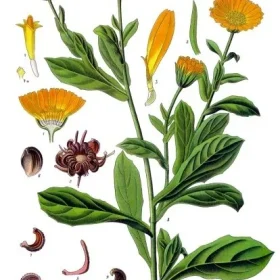
Beeswax is what makes a balm a balm. Without it the oils would slide straight off; with it, the calendula balm, the outdoor balm and both tallow balms stay where you put them, through washing-up and gardening. It leaves a soft layer on the skin that still lets it breathe. Good beeswax smells faintly of honey, and it is one of the few ingredients that has barely changed since people first started making ointments. Every flake of it was made by a bee.
Long used to make salves, candles and seals, and mixed with oil into the simple ointments of ancient Egypt, Greece and Rome.
In 4 products
Showing all 4 resultsSorted by popularity
Balms
Grass-fed tallow, manuka honey, emu oil, calendula and beeswax. Rich, deeply…
From $15
Balms
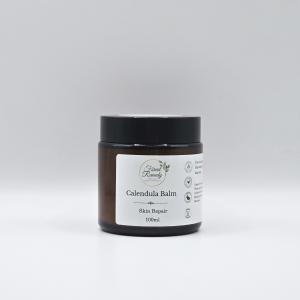
Coconut oil, shea butter, hemp and beeswax with slow-infused calendula. A…
From $15
Balms
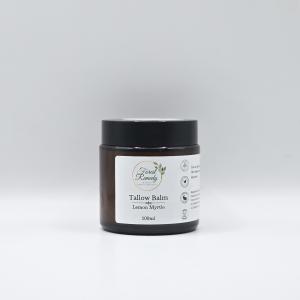
Grass-fed tallow, manuka honey, emu oil, calendula, beeswax and lemon myrtle.…
From $15
Sunscreen
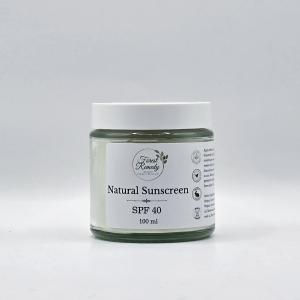
Coconut, raspberry seed and carrot seed oils in a nourishing balm…
From $15