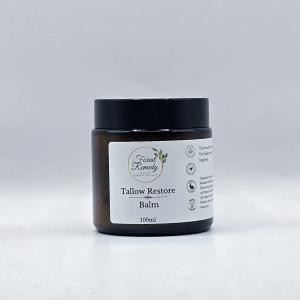
Balms
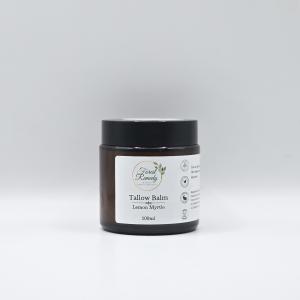
Tallow Restore Balm
Grass-fed tallow, manuka honey, emu oil, calendula and beeswax. Rich, deeply…
From $15
Christmas: order by Mon 14 Dec for delivery in time
Christmas: order by Mon 14 Dec for delivery in time
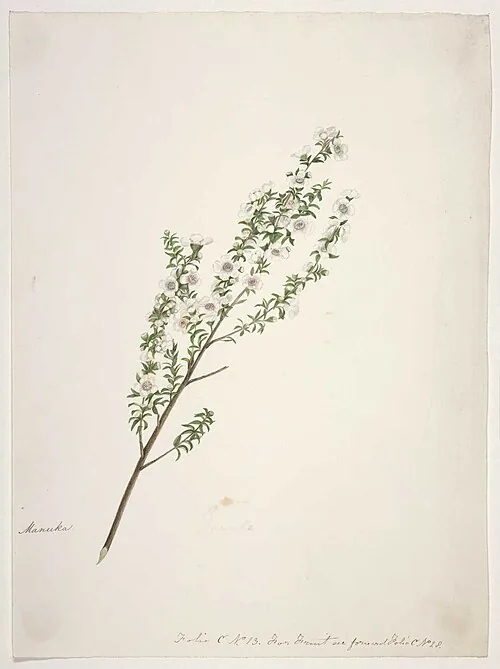
Draws moisture in and holds it, with a darker, earthier sweetness.
Manuka honey is darker, thicker and more earthy than everyday honey, with a slightly bitter edge. Leni uses it in both tallow balms, where it draws moisture in and helps hold it there. Honey has been kept for thousands of years, and pots of it found in Egyptian tombs were still edible when they were opened. Manuka flowers only briefly, so its honey is scarce, and beekeepers carry their hives deep into the scrub to catch the bloom.
Honey has been spread on skin and mixed into ointments since ancient Egypt; manuka itself was long known to Māori and was used by early settlers as a tea.
In 2 products
Showing all 2 resultsSorted by popularity
Balms
Grass-fed tallow, manuka honey, emu oil, calendula and beeswax. Rich, deeply…
From $15
Balms
Grass-fed tallow, manuka honey, emu oil, calendula, beeswax and lemon myrtle.…
From $15