Creams
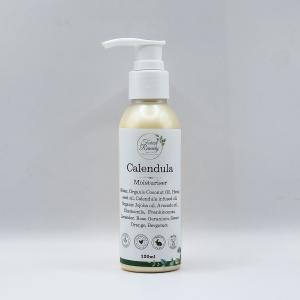
Calendula Moisturiser Cream
Infused calendula with lavender, geranium and frankincense. Rich but never greasy…
$40
Christmas: order by Mon 14 Dec for delivery in time
Christmas: order by Mon 14 Dec for delivery in time
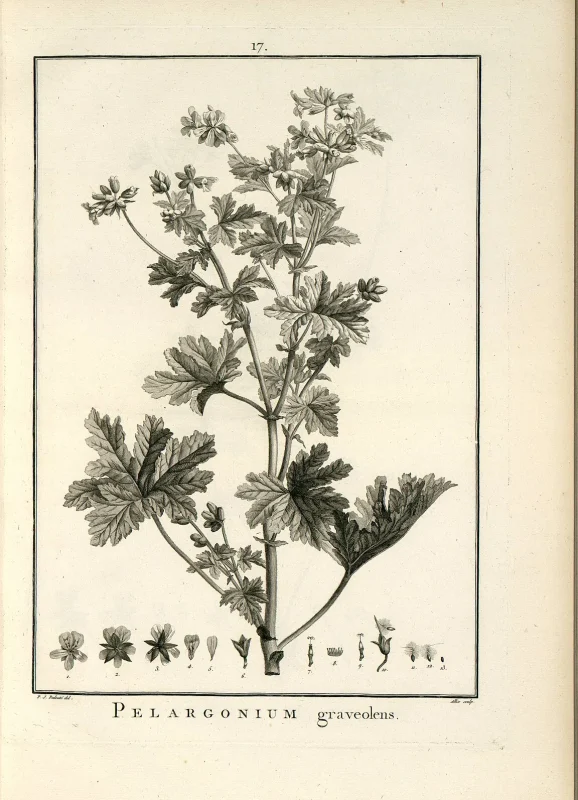
Pelargonium graveolens
Rosy and green, and softens the scent of a blend.
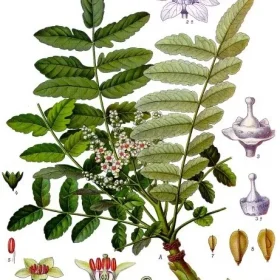
Brush past a rose geranium and the leaves smell of roses with a green, minty edge. That is where the oil comes from: the leaves, not the flowers. Leni uses it in the calendula balm and cream, the richest serum and the outdoor balm, often where a blend needs softening. It brings a rosy warmth without the cost of rose itself. The plant reached Europe from the Cape in the 1600s and became a parlour favourite, grown on windowsills to be rubbed as people walked by.
Grown in European homes since the 1600s for its scented leaves, and distilled in France in the 1800s as a stand-in for rose oil in perfumes.
In 4 products
Showing all 4 resultsSorted by popularity
Creams
Infused calendula with lavender, geranium and frankincense. Rich but never greasy…
$40
Balms
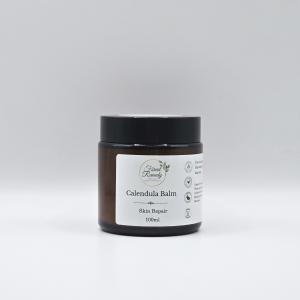
Coconut oil, shea butter, hemp and beeswax with slow-infused calendula. A…
From $15
Sunscreen
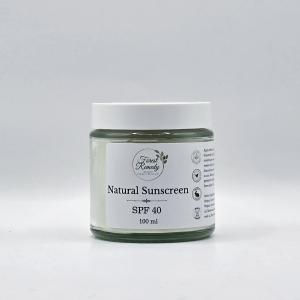
Coconut, raspberry seed and carrot seed oils in a nourishing balm…
From $15
Oils
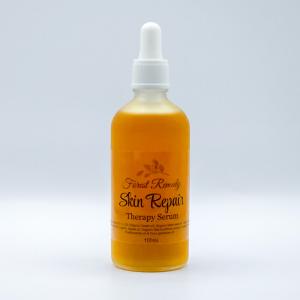
Castor, emu, avocado, hemp, sea buckthorn and evening primrose oils with…
From $20