Oils
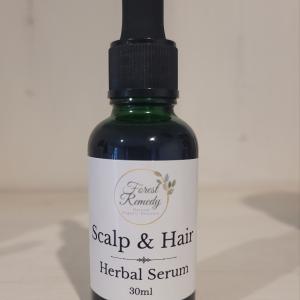
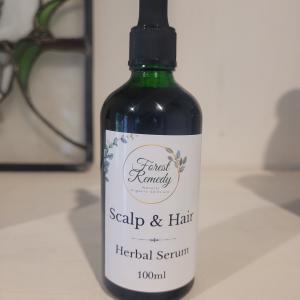
Scalp & Hair Herbal Serum
A botanical serum for dry, itchy scalps and dull hair. Massage…
From $18
Christmas: order by Mon 14 Dec for delivery in time
Christmas: order by Mon 14 Dec for delivery in time
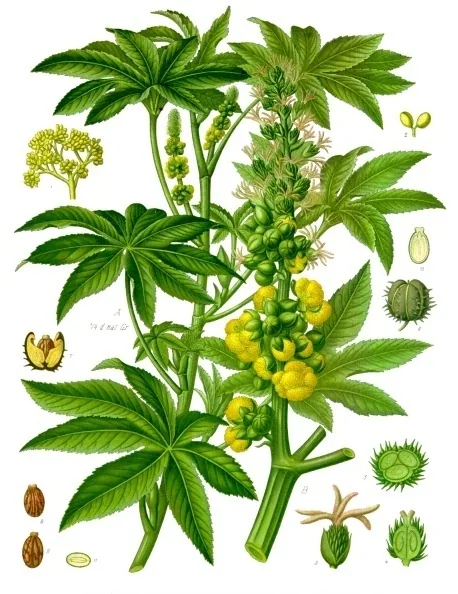
Ricinus communis
Thick, and it holds everything else in place.
Castor oil is the thickest oil in the range, almost syrupy, and it is there to give body. In the richest serum it holds everything else in place; in the scalp serum it is the nourishing heart of the base, alongside pumpkin seed. Only the pressed oil is used: the raw seeds themselves are poisonous, but cold pressing leaves that behind in the seed cake. Castor seeds have been found in Egyptian tombs more than four thousand years old.
Burned in lamps and rubbed into skin and hair in ancient Egypt, and long used as a hair oil in India.
In 2 products
Showing all 2 resultsSorted by popularity
Oils
A botanical serum for dry, itchy scalps and dull hair. Massage…
From $18
Oils
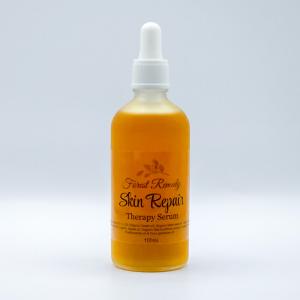
Castor, emu, avocado, hemp, sea buckthorn and evening primrose oils with…
From $20