Sunscreen
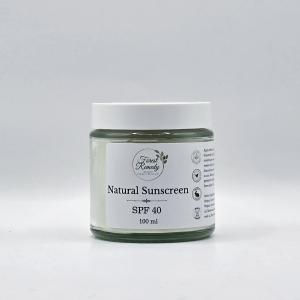
Natural Sunscreen Balm
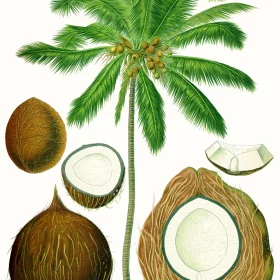
Coconut, raspberry seed and carrot seed oils in a nourishing balm…
From $15
Christmas: order by Mon 14 Dec for delivery in time
Christmas: order by Mon 14 Dec for delivery in time
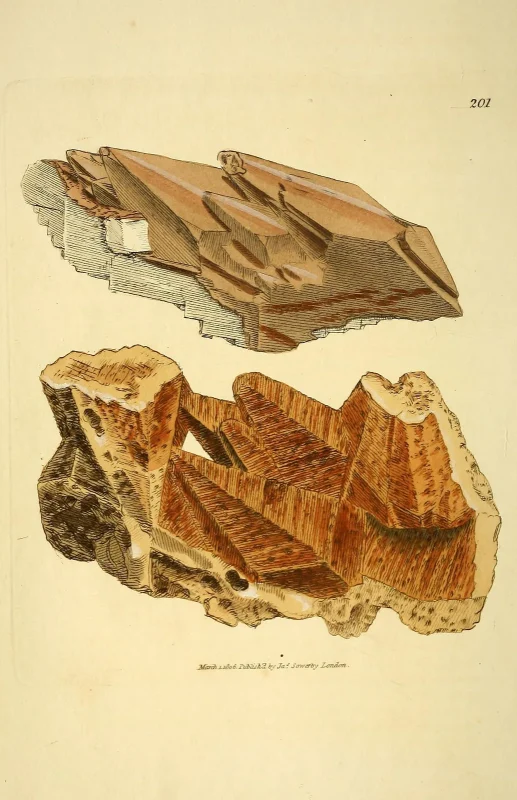
A mineral powder that sits on the skin rather than soaking in.
Zinc turns up in two forms in Leni's range. In the outdoor balm it is non-nano zinc oxide, a soft white mineral powder that sits on the surface of the skin rather than soaking in, which is part of why the balm is richer and firmer than the others. In the deodorant it is zinc ricinoleate, made from castor oil, which traps odour rather than masking it. Zinc oxide has been used on skin for a very long time: the Romans used a zinc ore called calamine in their ointments.
Zinc ores such as calamine were used in skin ointments in ancient Rome and in India, and zinc paste became a nursery staple in the 1900s.
Non-nano zinc oxide in the outdoor balm; zinc ricinoleate, made from castor oil, in the deodorant
In 2 products
Showing all 2 resultsSorted by popularity
Sunscreen
Coconut, raspberry seed and carrot seed oils in a nourishing balm…
From $15
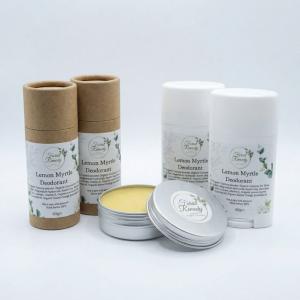
Deodorant
Made without bicarb soda, so it works without the irritation. Lemon…
$15