
Deodorant
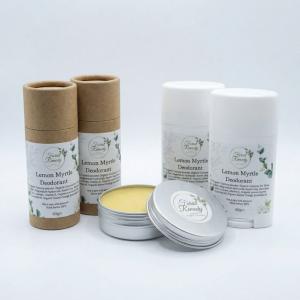
Lemon Myrtle Natural Deodorant
Made without bicarb soda, so it works without the irritation. Lemon…
$15
Christmas: order by Mon 14 Dec for delivery in time
Christmas: order by Mon 14 Dec for delivery in time
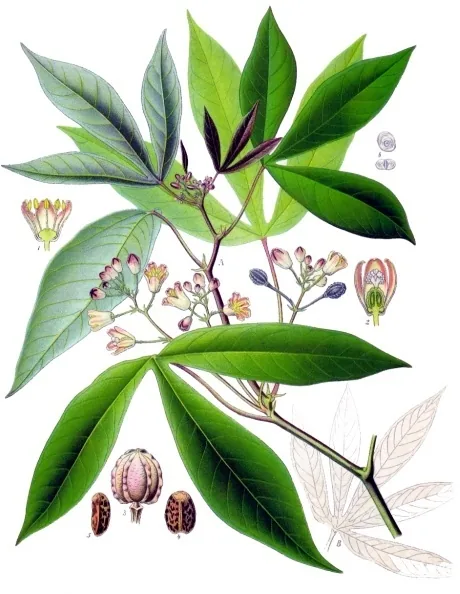
Manihot esculenta
Absorbs moisture without blocking pores.
Tapioca flour is made from the starchy root of the cassava plant, and in the deodorant it does a simple job: it soaks up moisture and keeps the underarm feeling dry and comfortable, without blocking pores. It is soft and silky rather than gritty. Cassava feeds hundreds of millions of people across the tropics, and the same starch gives us the little pearls in tapioca pudding and bubble tea. The plant is so hardy it will grow in poor soil where little else survives.
A staple food of the Amazon for thousands of years, and its starch has long been used as a dusting powder for skin.
In 1 product
Showing the single result
Deodorant
Made without bicarb soda, so it works without the irritation. Lemon…
$15