Creams
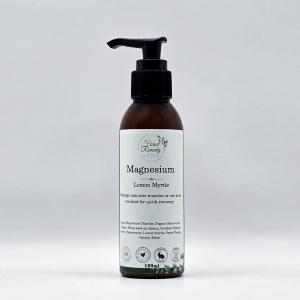
Magnesium Lemon Myrtle Cream
Magnesium chloride with bright, citrusy lemon myrtle. The uplifting one in…
From $20
Christmas: order by Mon 14 Dec for delivery in time
Christmas: order by Mon 14 Dec for delivery in time
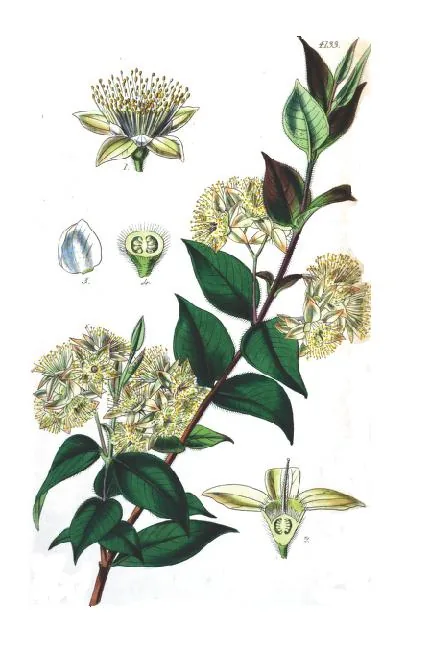
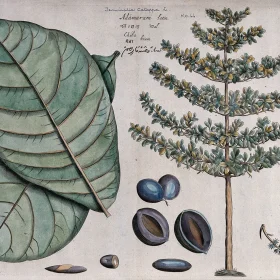
Backhousia citriodora
One of the strongest natural sources of citral, and where the scent comes from.
Crush a lemon myrtle leaf and it smells more lemony than a lemon. That is the citral, and lemon myrtle has more of it than almost any plant on earth. Leni uses it in the tallow balm, the deodorant, the morning magnesium cream and the kakadu plum moisturiser, wherever a jar needs to wake you up. It is an Australian native, and one of the bush foods that has found its way onto kitchen shelves as well as skincare.
Long known to Aboriginal peoples of the Queensland rainforests, and one of the native plants early settlers used in cooking.
Stirred through the tallow balm for its scent
In 4 products
Showing all 4 resultsSorted by popularity
Creams
Magnesium chloride with bright, citrusy lemon myrtle. The uplifting one in…
From $20
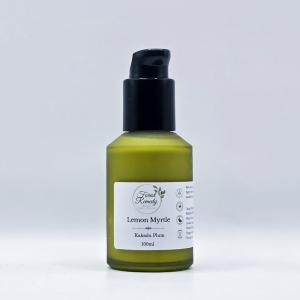
Creams
Native Australian botanicals — lemon myrtle and kakadu plum, one of…
$40
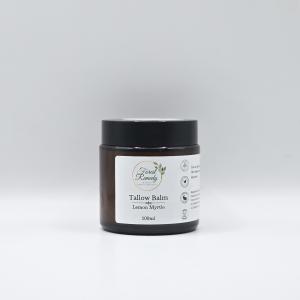
Balms
Grass-fed tallow, manuka honey, emu oil, calendula, beeswax and lemon myrtle.…
From $15
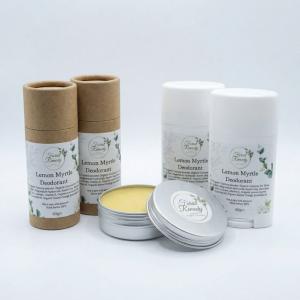
Deodorant
Made without bicarb soda, so it works without the irritation. Lemon…
$15