Creams
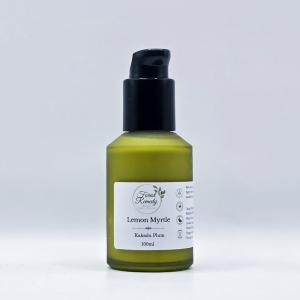
Lemon Myrtle & Kakadu Plum Moisturiser
Native Australian botanicals — lemon myrtle and kakadu plum, one of…
$40
Christmas: order by Mon 14 Dec for delivery in time
Christmas: order by Mon 14 Dec for delivery in time
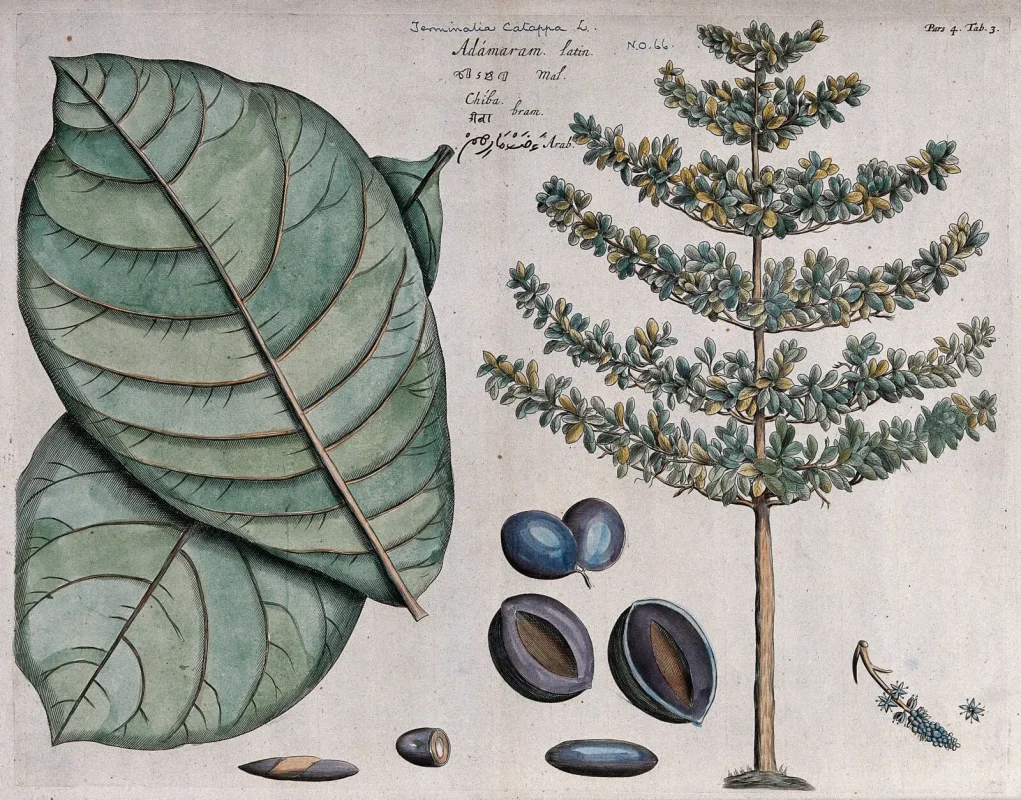
Terminalia ferdinandiana
Among the world's richest natural sources of vitamin C.
Kakadu plum is a small, pale green fruit about the size of an olive, and it holds more vitamin C than almost any fruit on earth, far more than an orange. Leni pairs it with lemon myrtle in a light, fast-absorbing moisturiser that brightens the look of tired skin. Two native Australian plants, doing the work together. The fruit has been gathered as a bush food by Aboriginal peoples of the north for thousands of years, and much of the harvest still comes from wild trees.
A traditional bush food of Aboriginal peoples across northern Australia, eaten fresh from the tree through the dry season.
In 1 product
Showing the single result
Creams
Native Australian botanicals — lemon myrtle and kakadu plum, one of…
$40