Creams
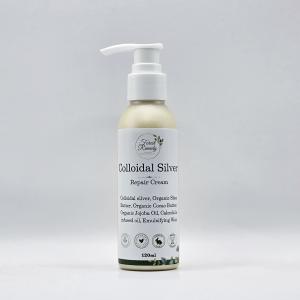
Colloidal Silver Repair Cream
Pure colloidal silver in a base of shea butter, cocoa butter,…
$40
Christmas: order by Mon 14 Dec for delivery in time
Christmas: order by Mon 14 Dec for delivery in time
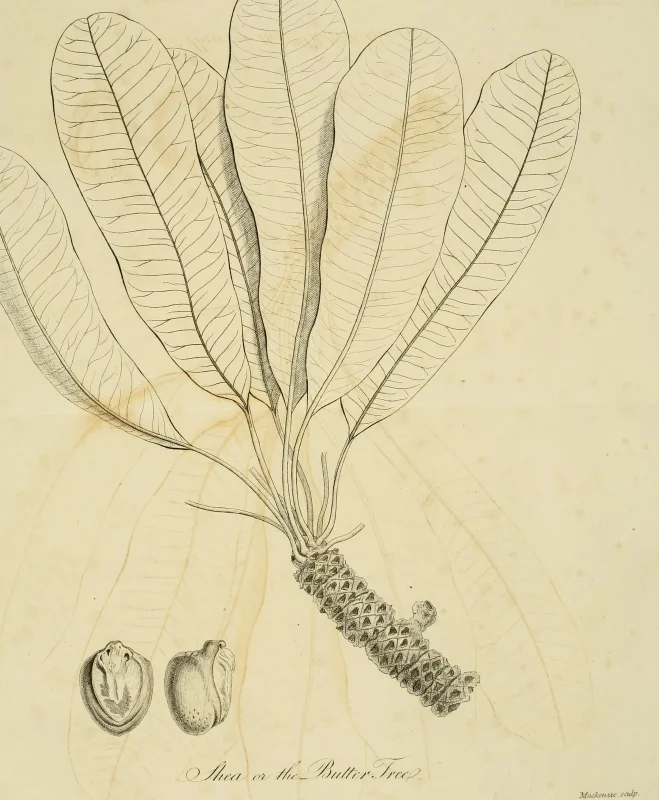
Vitellaria paradoxa
The rich, softening butter, pressed from the nuts of a savanna tree.
Shea butter is the soft, rich base under the calendula balm, the outdoor balm and the colloidal silver cream. It melts at body heat and stays on the skin, which is exactly what you want on dry hands and elbows. The trees take decades to bear fruit and are rarely planted; most are wild, scattered across farmland in West Africa, and the nuts are gathered and turned into butter by women, as they have been for centuries. In much of that region it is still the everyday cooking fat as well as the skin balm.
Long used across West Africa as a skin and hair butter for babies and adults, and as a cooking fat.
In 3 products
Showing all 3 resultsSorted by popularity
Creams
Pure colloidal silver in a base of shea butter, cocoa butter,…
$40
Balms
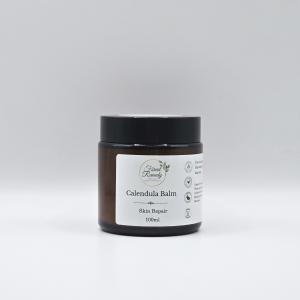
Coconut oil, shea butter, hemp and beeswax with slow-infused calendula. A…
From $15
Sunscreen
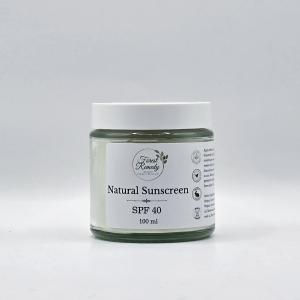
Coconut, raspberry seed and carrot seed oils in a nourishing balm…
From $15