
Balms
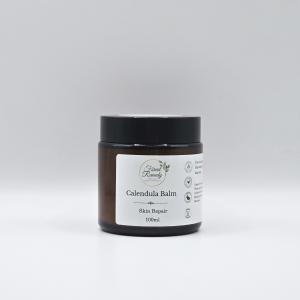
Calendula Balm
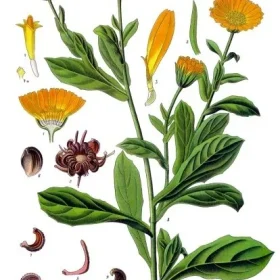
Coconut oil, shea butter, hemp and beeswax with slow-infused calendula. A…
From $15
Christmas: order by Mon 14 Dec for delivery in time
Christmas: order by Mon 14 Dec for delivery in time
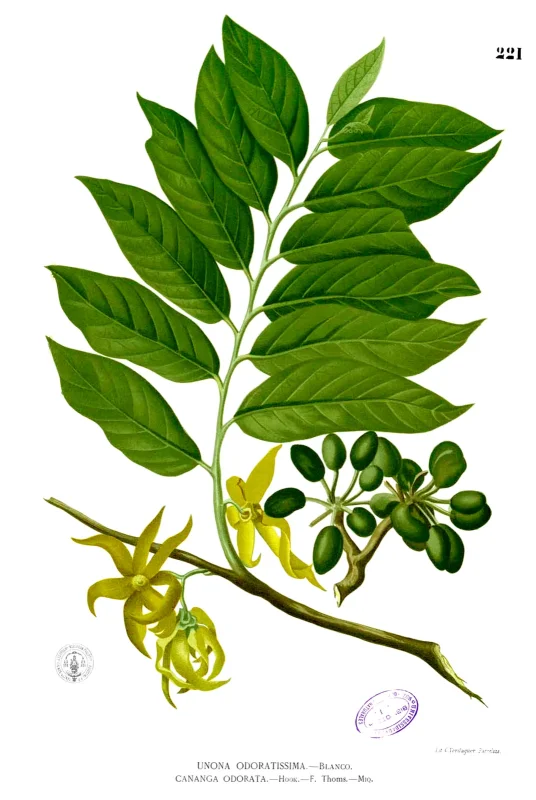
Cananga odorata
Rich, sweet and floral, one of the five oils behind the balm's scent.
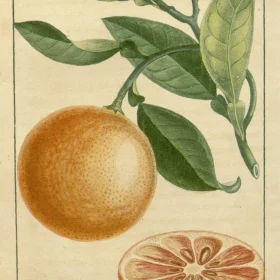
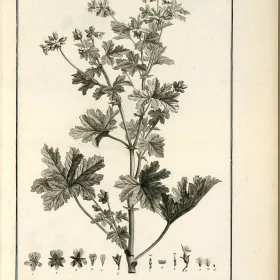
Ylang ylang has drooping, star-shaped yellow flowers and a scent so rich and sweet that a single drop is plenty. Leni uses it as one of the five oils that give the calendula balm its scent, along with frankincense, geranium, lavender and sweet orange. Its name comes from the Tagalog word for 'wilderness', after the wild trees of the Philippines. The flowers are picked by hand early in the morning, when they are at their most fragrant, and it is one of the key notes in many famous perfumes.
In Indonesia the flowers are scattered on the beds of newlyweds, and ylang ylang was the main ingredient in macassar oil, a Victorian hair oil.
In 1 product
Showing the single result
Balms
Coconut oil, shea butter, hemp and beeswax with slow-infused calendula. A…
From $15