Christmas: order by Mon 14 Dec for delivery in time
Christmas: order by Mon 14 Dec for delivery in time

Pumice
Finely ground volcanic stone, for a scrub that works.
- Also called
- pumice stone
- In Chinese medicine
- Fu Shi 浮石
- Part used
- Mineral
- Where it’s found
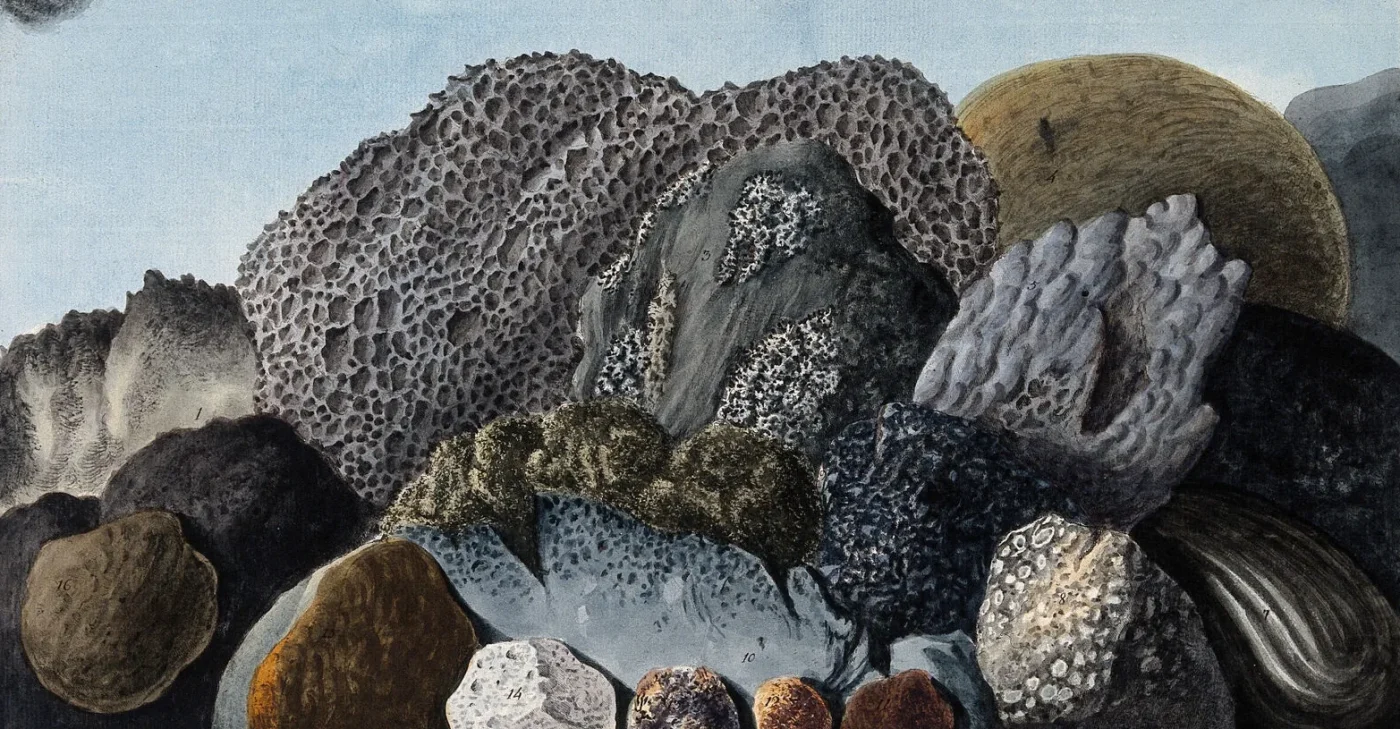
- Pumice is cooled volcanic froth. When gas-filled lava bursts out of a volcano it cools so fast that the bubbles are frozen into the rock, leaving a stone so light it floats.
- Season
- Made all year
- Scent
- Unscented
- Feel
- A firm, even scrub that leaves hands clean rather than raw
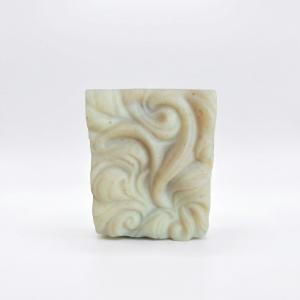
Pumice is what makes the gardeners soap the hardest-working bar in the range. It is finely ground and stirred right through, so it gets soil and grease out of knuckles, cuticles and the creases of your palms. Most heavy-duty hand soaps get their scrubbing power by stripping the skin; this one gets it from the stone, so hands come out clean rather than raw. Pumice is so full of bubbles that it floats, and after big eruptions rafts of it have drifted across oceans for months.
Traditional use
Pumice stones were used for smoothing skin in ancient Egypt, Greece and Rome, and Roman dentists even ground it into tooth powder.
How Leni prepares it
Finely ground and stirred right through the soap
Pairs well with

Find it in
In 1 product
Showing the single result