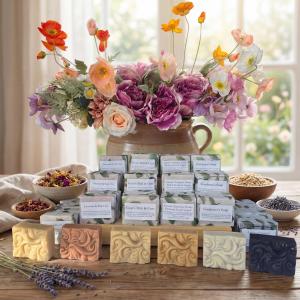

Soaps
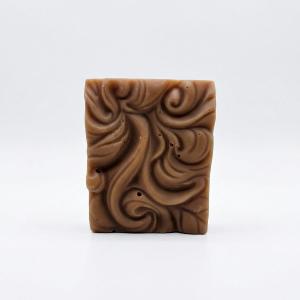
Expresso Coffee Bar
Grass-fed tallow with freshly brewed espresso for a creamy, invigorating lather.…
$8
Christmas: order by Mon 14 Dec for delivery in time
Christmas: order by Mon 14 Dec for delivery in time

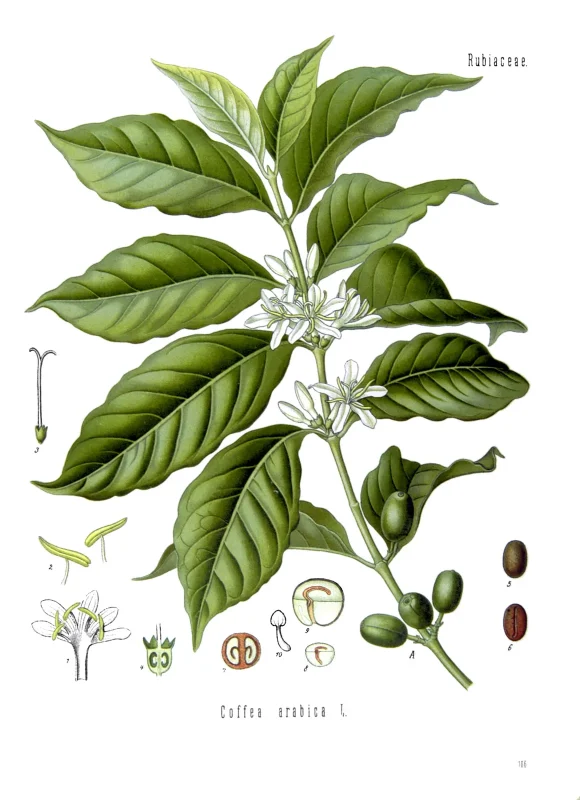
Coffea arabica
A gentle scrub, and it takes smells off your hands.
The coffee bar gets a shot of freshly brewed espresso stirred right through it. That gives it two things: a fine grit that buffs away rough, flaky patches without scratching, and the smell of a fresh pot first thing in the morning. It is also the bar to keep by the kitchen sink, because it takes onion, garlic and fish smells off your hands. The story goes that an Ethiopian goatherd noticed his goats dancing after eating the red berries, and coffee was discovered.
Coffee was first brewed in Yemen and Ethiopia in the 1400s, and used coffee grounds have long been rubbed on hands in kitchens to lift strong smells.
Freshly brewed espresso, stirred through the soap
In 1 product
Showing the single result
Soaps
Grass-fed tallow with freshly brewed espresso for a creamy, invigorating lather.…
$8