Christmas: order by Mon 14 Dec for delivery in time
Christmas: order by Mon 14 Dec for delivery in time
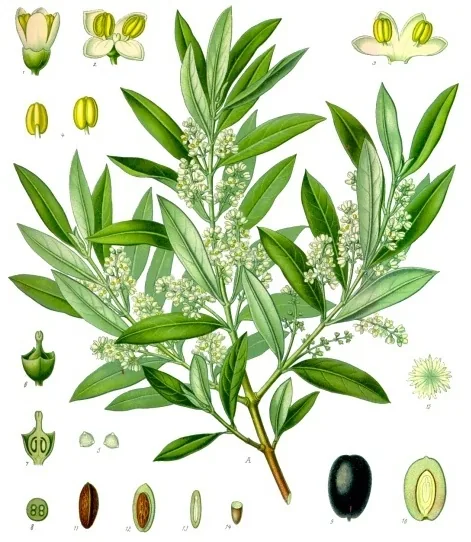
Olive
Olea europaea
A softening oil, and one of the oldest soap-making oils there is.
- Botanical name
- Olea europaea
- Also called
- olive tree
- Family
- Oleaceae (olive family)
- Part used
- Fruit
- Where it’s found
- Wild olives grow from the Mediterranean through Africa to south-west Asia, and the cultivated tree was first tended in the eastern Mediterranean some six thousand years ago. Groves now stretch across Spain, Italy and Greece, and through Victoria and South Australia.
- Season
- Fruit harvested from late autumn into winter
- Scent
- Herbal
- Feel
- Soft and smooth, a mild oil that never leaves skin tight
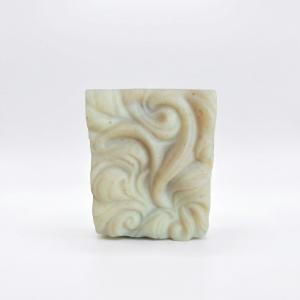
Olive oil goes into every one of Leni's soap bars, alongside the tallow, coconut and rice bran. Where coconut brings the big bubbles, olive brings softness, and it helps keep a bar from drying the skin out. Soap makers have been using it for a very long time: the famous hard white soaps of Aleppo and Castile were made almost entirely from olive oil. An olive tree can live for well over a thousand years, and some still fruiting in the Mediterranean were planted in Roman times.
Traditional use
Long rubbed into skin by athletes in ancient Greece, and the base of the olive oil soaps of Aleppo, Marseille and Castile.
How Leni prepares it
Saponified with grass-fed tallow, coconut, rice bran and palm oils for the soap bars
Pairs well with
Find it in
In 4 products
Showing all 4 resultsSorted by popularity
Soaps
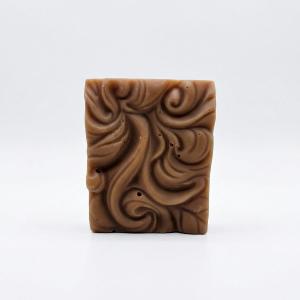
Expresso Coffee Bar
Grass-fed tallow with freshly brewed espresso for a creamy, invigorating lather.…
$8
Soaps
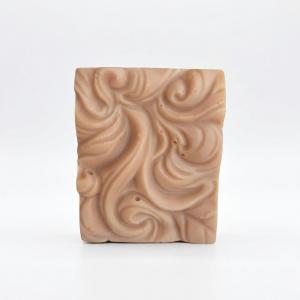
Pink Clay & Lavender Bar
Grass-fed tallow with pink clay and lavender. Softening, gentle, and the…
$8
Soaps
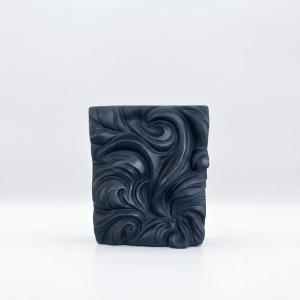
Charcoal & Tea Tree Cleansing Bar
Saponified Gippsland grass-fed tallow with activated charcoal and pure tea tree.…
$8