Christmas: order by Mon 14 Dec for delivery in time
Christmas: order by Mon 14 Dec for delivery in time

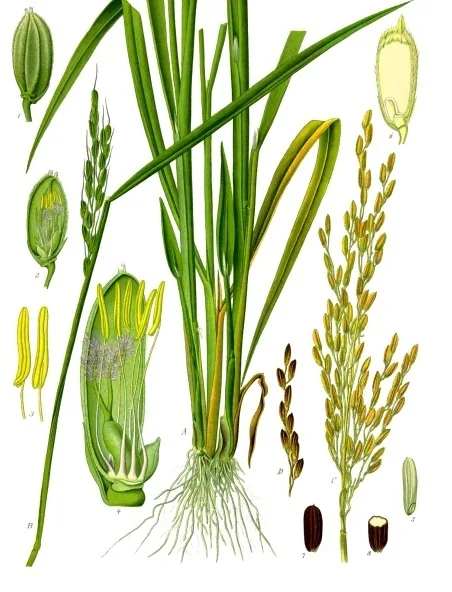
Rice bran
Oryza sativa
A light oil from the outer layer of the rice grain, softening in a bar.
- Botanical name
- Oryza sativa
- Also called
- rice bran oil
- Family
- Poaceae (grass family)
- Part used
- Seed
- Where it’s found
- Rice was first grown from a wild grass in the river valleys of southern China around nine thousand years ago. It is now planted in flooded paddies across Asia, and on the irrigated plains of the Riverina in New South Wales.
- Season
- Harvested in autumn
- Scent
- Unscented
- Feel
- Light and silky, softening the lather of a bar
When rice is polished white, the brown outer layer comes away as bran, and the oil pressed from it is light, mild and silky. Leni uses it in all of the soap bars, where it softens the lather and helps the bar feel kind rather than squeaky. It is one of those ingredients that makes use of something that would otherwise be thrown away. In Japan, the water rice was washed in was long kept for washing the face, and rice bran itself was tied into little cloth bags for the bath.
Traditional use
Rice bran in cloth bags, called nuka-bukuro, was long used for washing in Japan.
How Leni prepares it
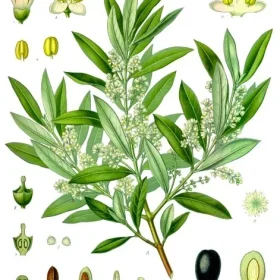
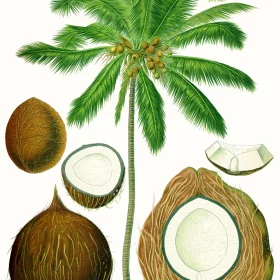
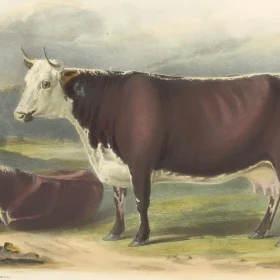
Saponified with grass-fed tallow, olive, coconut and palm oils for the soap bars
Pairs well with
Find it in
In 4 products
Showing all 4 resultsSorted by popularity
Soaps
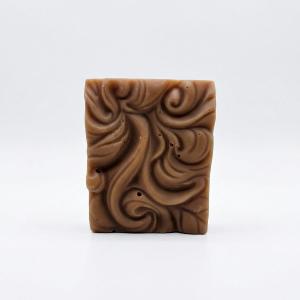
Expresso Coffee Bar
Grass-fed tallow with freshly brewed espresso for a creamy, invigorating lather.…
$8
Soaps
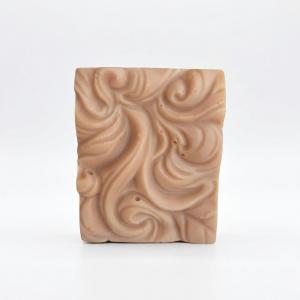
Pink Clay & Lavender Bar
Grass-fed tallow with pink clay and lavender. Softening, gentle, and the…
$8
Soaps
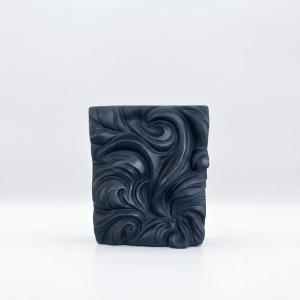
Charcoal & Tea Tree Cleansing Bar
Saponified Gippsland grass-fed tallow with activated charcoal and pure tea tree.…
$8