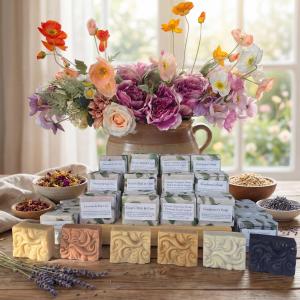

Soaps
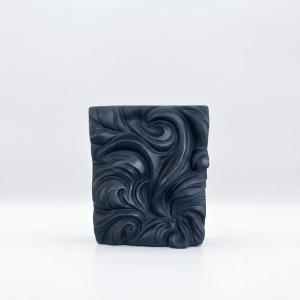
Charcoal & Tea Tree Cleansing Bar
Saponified Gippsland grass-fed tallow with activated charcoal and pure tea tree.…
$8
Christmas: order by Mon 14 Dec for delivery in time
Christmas: order by Mon 14 Dec for delivery in time
Draws dirt and oil up out of the pores.
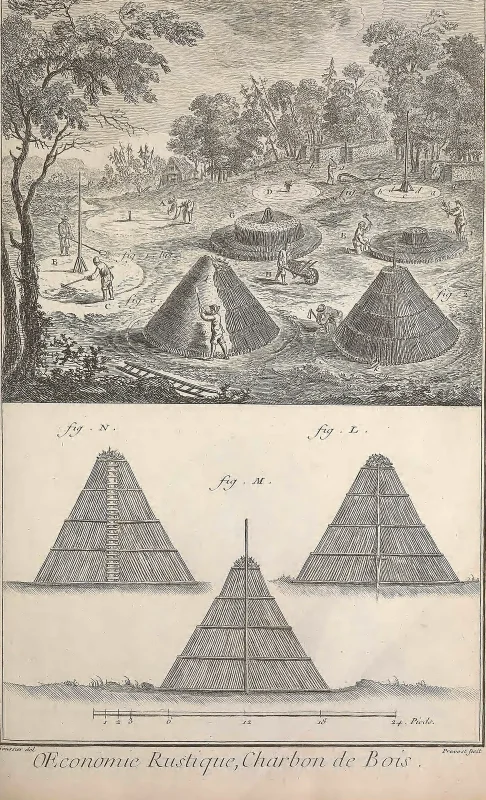
Activated charcoal is the reason the cleansing bar is jet black and the lather is dark grey. Every grain of it is riddled with tiny pores, so much so that a single teaspoon has a surface area bigger than a tennis court. That is what lets it grab hold of dirt, sweat and excess oil and carry them away when you rinse. Leni pairs it with tea tree for the most thorough cleanse in the range. The grey lather rinses clear and does not stain.
Charcoal has been used to clean and purify water since ancient Egypt and India, and charcoal filters were common long before modern plumbing.
In 1 product
Showing the single result
Soaps
Saponified Gippsland grass-fed tallow with activated charcoal and pure tea tree.…
$8