Soaps
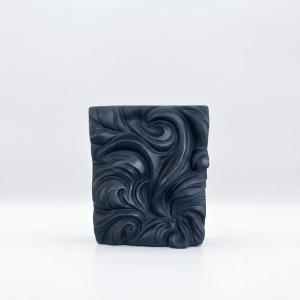
Charcoal & Tea Tree Cleansing Bar
Saponified Gippsland grass-fed tallow with activated charcoal and pure tea tree.…
$8
Christmas: order by Mon 14 Dec for delivery in time
Christmas: order by Mon 14 Dec for delivery in time
Melaleuca alternifolia
Clean, sharp, and long used on skin that is doing too much.
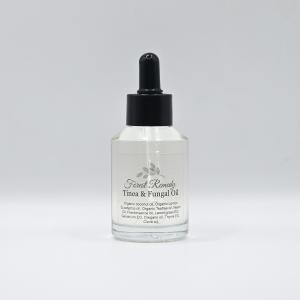
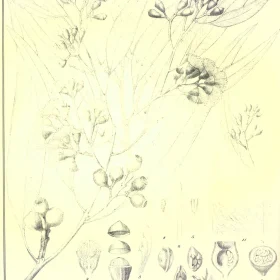
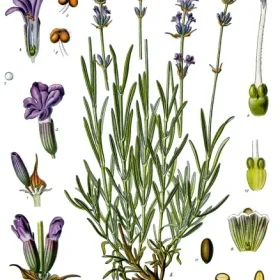
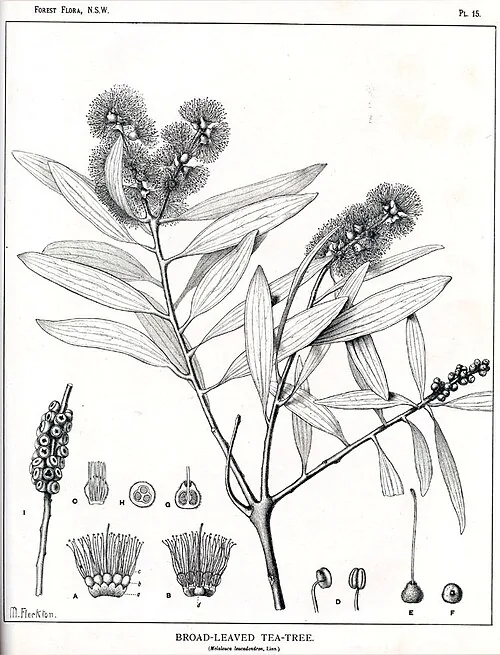
Tea tree is the sharp, clean scent of the charcoal bar and the strongest thing in the foot oil, alongside lemon eucalyptus. It is a true Australian native, a paperbark from the swampy country of the Northern Rivers. The Bundjalung people knew the tree long before the oil had a name. The oil is steam-distilled from the narrow leaves, and it is sharp enough that a little goes a long way. In the charcoal bar it goes in as pure tea tree oil, and in the foot oil only a little lavender takes the edge off.
Long known to the Bundjalung people, who crushed the leaves and used them in warm water; the oil was distilled commercially from the 1920s.
Pure tea tree oil, in the charcoal bar and the foot oil
In 2 products
Showing all 2 resultsSorted by popularity
Soaps
Saponified Gippsland grass-fed tallow with activated charcoal and pure tea tree.…
$8