
Creams
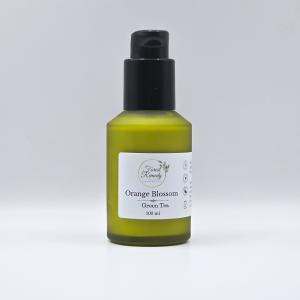
Orange Blossom Green Tea Moisturiser
Antioxidant-rich green tea with the delicate lift of orange blossom. A…
$40
Christmas: order by Mon 14 Dec for delivery in time
Christmas: order by Mon 14 Dec for delivery in time
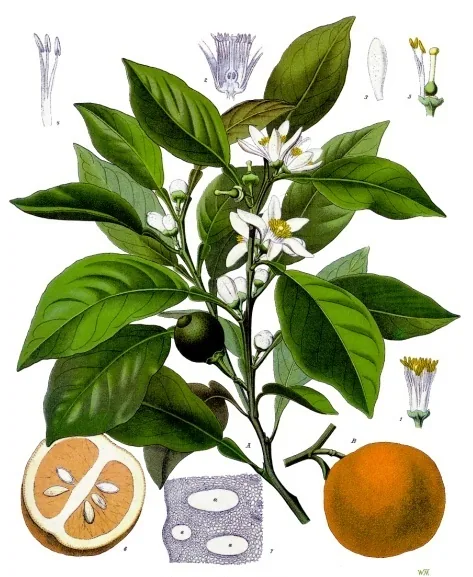
Citrus aurantium
Delicate, floral, and the reason it smells the way it does.
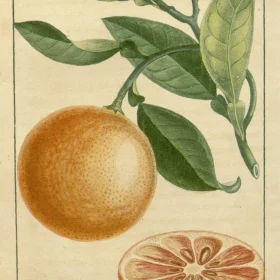
Orange blossom comes from the bitter orange tree, whose fruit is too sour to eat but whose flowers smell wonderful. Leni uses it in the orange blossom moisturiser with green tea, where it gives a delicate floral lift rather than a sweet one. The oil distilled from the blossom is called neroli, after a seventeenth-century princess of Nerola in Italy who is said to have scented her gloves and baths with it. Orange blossom water is still sprinkled on guests and stirred into pastries across North Africa.
Long distilled into flower water across the Arab world and Mediterranean, worn in bridal wreaths in Europe, and made into neroli oil for perfume.
In 1 product
Showing the single result
Creams
Antioxidant-rich green tea with the delicate lift of orange blossom. A…
$40