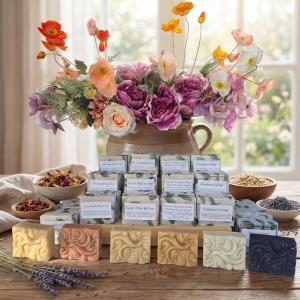
Soaps
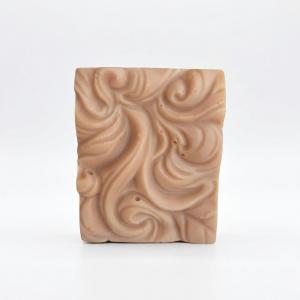
Pink Clay & Lavender Bar
Grass-fed tallow with pink clay and lavender. Softening, gentle, and the…
$8
Christmas: order by Mon 14 Dec for delivery in time
Christmas: order by Mon 14 Dec for delivery in time
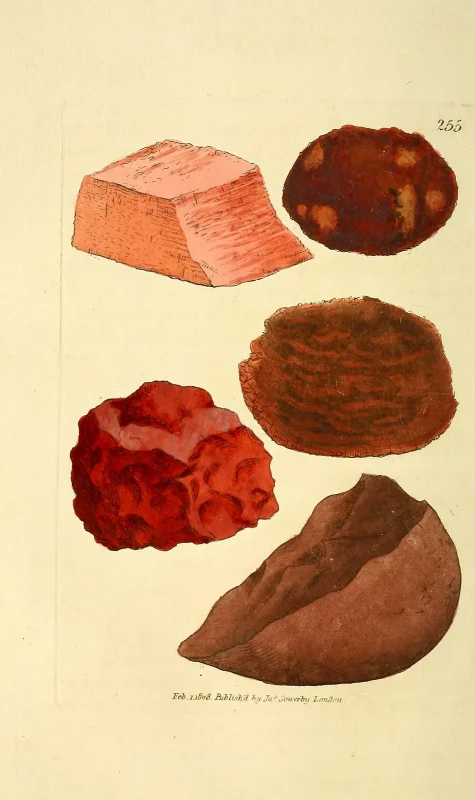
The mildest of the clays, and where the colour comes from.
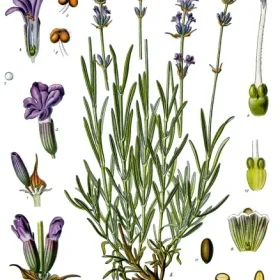
Pink clay is the mildest of the cosmetic clays, gentler than the green and grey ones, and it gives the pink clay bar its soft colour and silky feel. Leni pairs it with pure lavender, so the bar lifts the day off your skin without pulling the moisture out with it. It is the prettiest bar on the stall and usually the first one people pick up. Clays have been used for washing for about as long as people have washed, from Roman bathhouses to the hammams of Morocco.
Clays were long used for washing skin and hair, from the rhassoul clay of the Moroccan hammam to the fuller's earth of English cloth-makers.
Stirred into the soap to colour and soften it
In 1 product
Showing the single result
Soaps
Grass-fed tallow with pink clay and lavender. Softening, gentle, and the…
$8