Creams
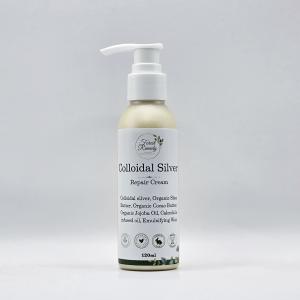
Colloidal Silver Repair Cream
Pure colloidal silver in a base of shea butter, cocoa butter,…
$40
Christmas: order by Mon 14 Dec for delivery in time
Christmas: order by Mon 14 Dec for delivery in time
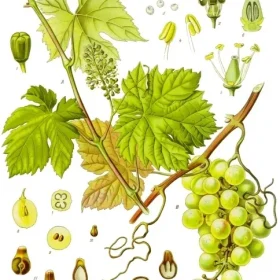
Simmondsia chinensis
Closest of the plant oils to skin's own sebum, so it rarely upsets anything.
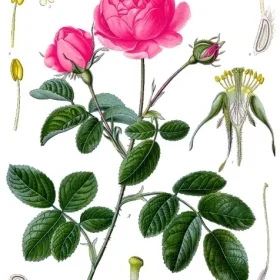
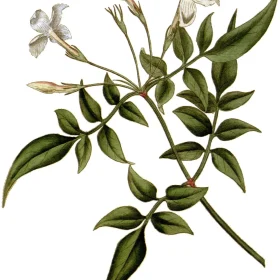
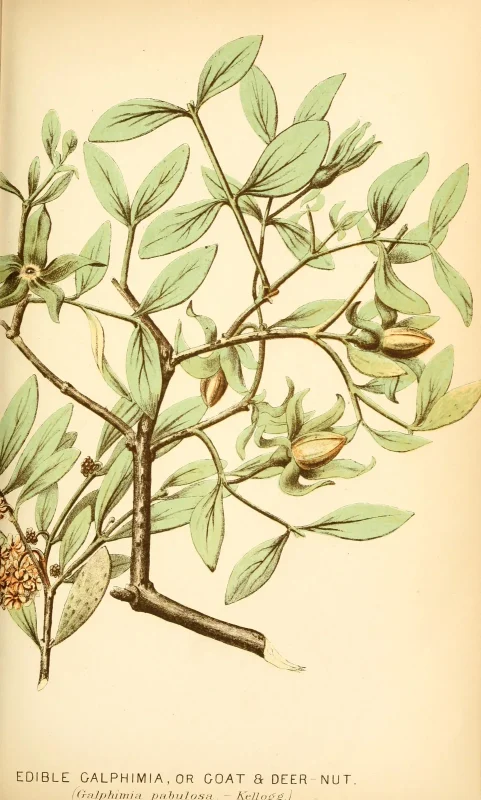
Jojoba is not really an oil at all but a liquid wax, and that is why Leni likes it. It is the closest thing in the plant world to the oil our own skin makes, so it sinks in easily and rarely bothers anyone. It is the base of both face and body oils, where it carries the rose and jasmine infusion, and it goes into the calendula balm and the colloidal silver cream. It has almost no smell of its own and keeps for a very long time without turning.
The O'odham, Seri and other peoples of the Sonoran Desert long used jojoba seed oil on skin and hair.
In the Goddess oil, jojoba is infused with rose and jasmine
In 4 products
Showing all 4 resultsSorted by popularity
Creams
Pure colloidal silver in a base of shea butter, cocoa butter,…
$40
Oils
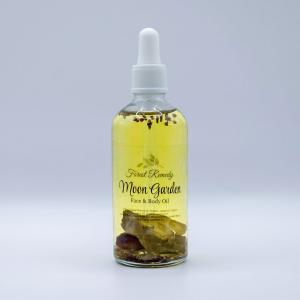
Lightweight grapeseed and jojoba oils in a soothing botanical blend. Calm…
From $18
Oils
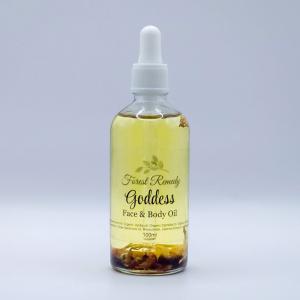
A lightweight, sensual botanical oil for face and body. Deeply nourishing…
From $18
Balms
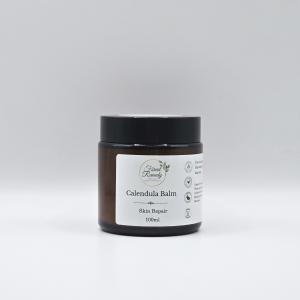
Coconut oil, shea butter, hemp and beeswax with slow-infused calendula. A…
From $15