Creams
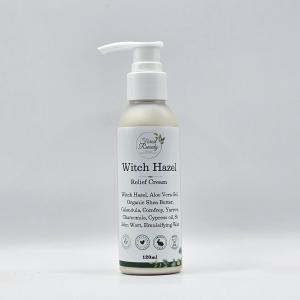
Witch Hazel Relief Cream
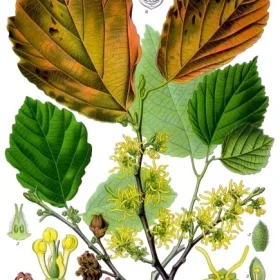
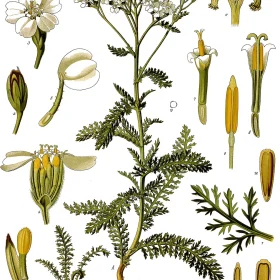
Witch hazel with calendula, chamomile, yarrow, aloe vera and comfrey. Light…
$40
Christmas: order by Mon 14 Dec for delivery in time
Christmas: order by Mon 14 Dec for delivery in time
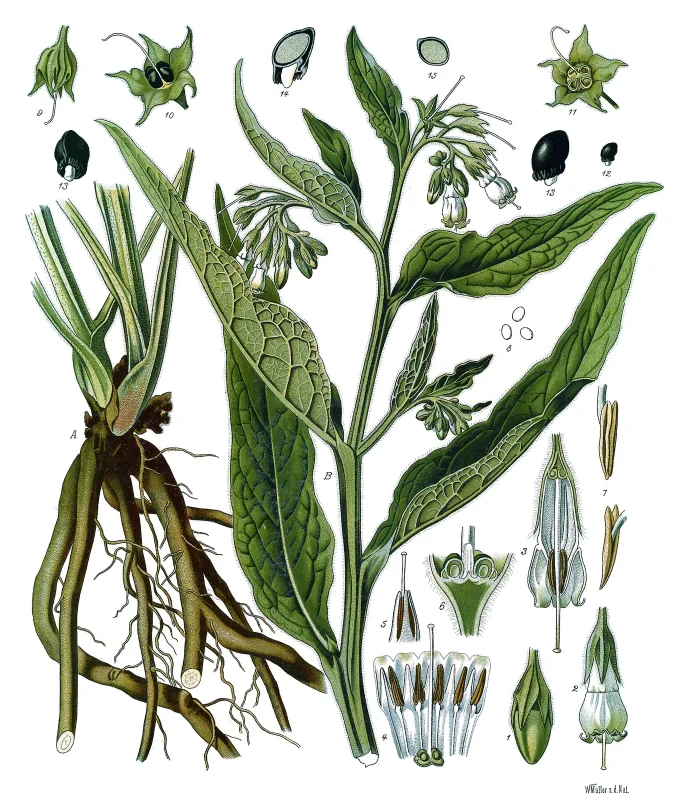
Symphytum officinale
Traditionally used on skin, and for external use only.
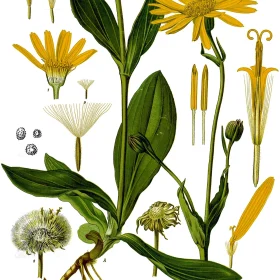
Comfrey is one of the oldest herbs in the European garden, and one of the most generous: a single plant will give several cuts of leaves a year. Leni slow-infuses it into oil over several weeks alongside arnica for the massage oil, and it goes into the witch hazel cream too. It needs that time in the oil to give anything up. Gardeners love it as much as herbalists do, because its deep roots draw minerals up from the subsoil into the leaves. It is for use on the skin only.
Long grown in monastery and cottage gardens across Europe and laid on the skin as a poultice; its Latin name comes from the Greek for 'growing together'.
Slow-infused into oils over several weeks, alongside arnica
In 2 products
Showing all 2 resultsSorted by popularity
Creams
Witch hazel with calendula, chamomile, yarrow, aloe vera and comfrey. Light…
$40
Oils
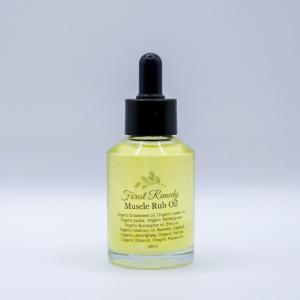
Arnica, comfrey and warming botanicals slow-infused into organic oils. Handcrafted for…
From $18