Serum
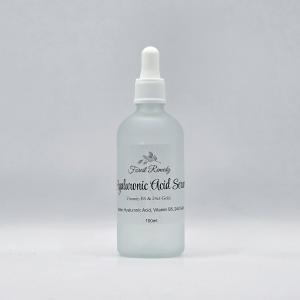
Hyaluronic Acid Serum
Multi-weight hyaluronic acid with colloidal gold. Lightweight and fast-absorbing, for deep…
From $25
Christmas: order by Mon 14 Dec for delivery in time
Christmas: order by Mon 14 Dec for delivery in time

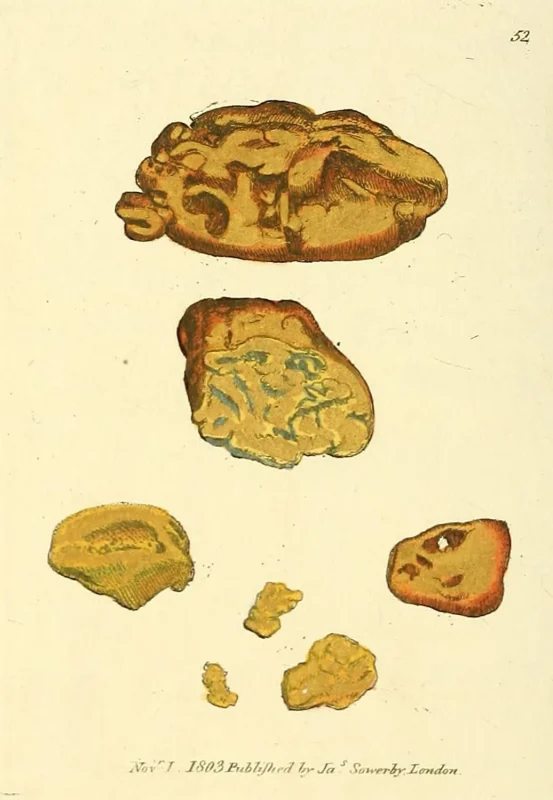
Pure gold, in pieces too small to see, held in water.
Colloidal gold is pure gold in pieces so small that it no longer looks gold at all. Held in water it turns ruby red or soft purple, depending on the size of the pieces. Roman glassmakers used it, without knowing what it was, to make glass that glows red when light shines through it. In 1857 the scientist Michael Faraday made some on purpose, and a few of his bottles are still red today. Leni adds it to the serum alongside the hyaluronic acid.
Used to colour glass red since Roman times, and as "drinkable gold" in European apothecaries from the Middle Ages.
In 1 product
Showing the single result
Serum
Multi-weight hyaluronic acid with colloidal gold. Lightweight and fast-absorbing, for deep…
From $25