Creams
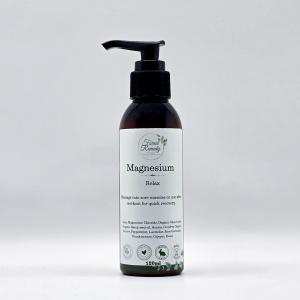
Magnesium Relax Cream
Magnesium chloride with yarrow and peppermint. Rich, easily absorbed, and made…
From $20
Christmas: order by Mon 14 Dec for delivery in time
Christmas: order by Mon 14 Dec for delivery in time

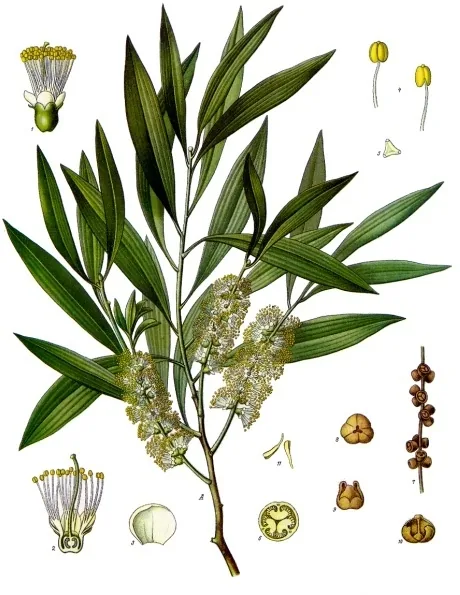
Melaleuca cajuputi
Camphor-sharp and fresh, and traditionally used to invigorate the skin.
Cajeput is a cousin of tea tree, with the same papery bark but a softer, sweeter, more camphor-like smell. Leni uses it in the magnesium menthol and relax creams, where it sits with peppermint and eucalyptus and gives the blend its fresh, clearing middle. The name comes from the Malay for 'white wood', after the pale bark. In Indonesia the oil, minyak kayu putih, is a household staple, and almost every family keeps a little green bottle of it somewhere in the house.
Minyak kayu putih has long been rubbed on the skin and breathed in across Indonesia and Malaysia, and the oil reached European pharmacies through Dutch traders in the 1700s.
In 2 products
Showing all 2 resultsSorted by popularity
Creams
Magnesium chloride with yarrow and peppermint. Rich, easily absorbed, and made…
From $20
Creams
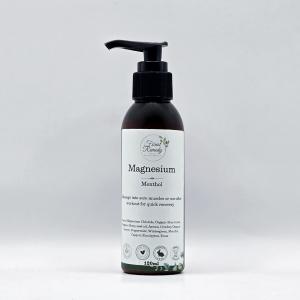
Magnesium chloride with cooling menthol, wintergreen and eucalyptus. For tired, hard-working…
From $20