
Oils
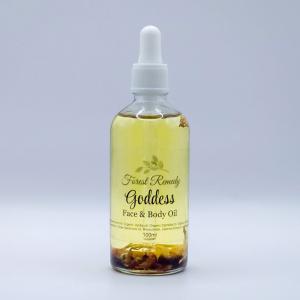
Goddess Face & Body Oil
A lightweight, sensual botanical oil for face and body. Deeply nourishing…
From $18
Christmas: order by Mon 14 Dec for delivery in time
Christmas: order by Mon 14 Dec for delivery in time

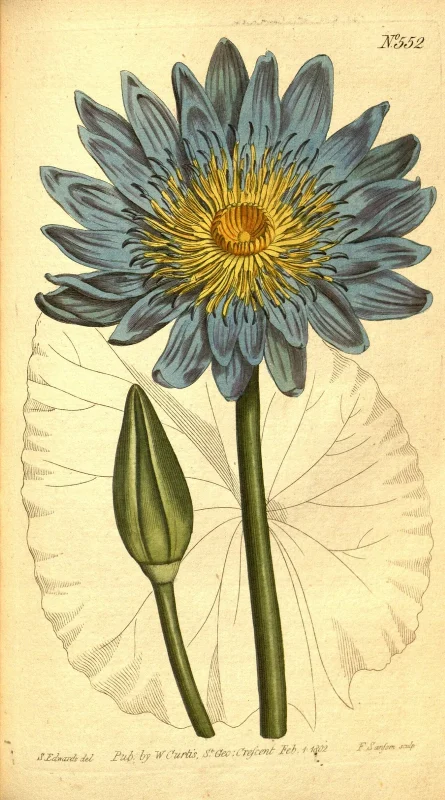
Nymphaea caerulea
The scent, and a flower with a very long history of being used exactly this way.
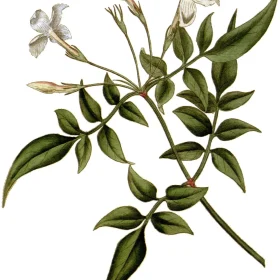
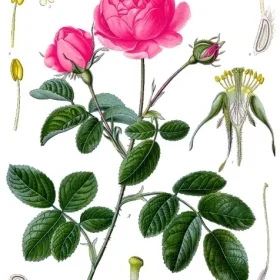
Blue lotus is the finishing note in the Goddess oil, sitting over rose and jasmine. The flowers open each morning and close again in the afternoon, and the scent is sweet, soft and a little powdery. In ancient Egypt it was the flower of the sunrise and appears again and again in tomb paintings, held to the nose at feasts and woven into garlands. Petals of it were found scattered over Tutankhamun when his tomb was opened. It is a true water lily, not a lotus at all.
Sacred in ancient Egypt, steeped in oils and wine, and painted on temple and tomb walls as a symbol of the rising sun.
In 1 product
Showing the single result
Oils
A lightweight, sensual botanical oil for face and body. Deeply nourishing…
From $18